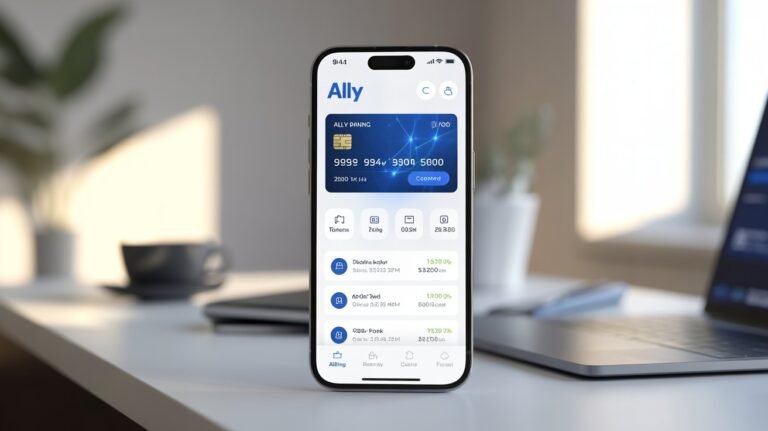


Choosing the right bank is one of the most important financial decisions individuals and business owners make. With the rise of digital banking, traditional financial institutions are no longer the only option. Platforms like SoFi Bank have emerged as powerful alternatives, offering modern tools, competitive interest rates, and user-friendly mobile experiences.
Many consumers today face challenges such as high banking fees, low interest on savings, and limited access to financial tools. Traditional banks often require minimum balances and charge maintenance fees, which can reduce overall savings. In contrast, digital banks aim to eliminate these barriers by providing more flexible and cost-effective solutions.
SoFi Bank has gained significant attention as a leading online banking platform that combines checking, savings, investing, and lending services in one ecosystem. Its appeal lies in offering high-yield accounts, no-fee structures, and additional financial benefits such as budgeting tools and financial education resources.
In this article, you will learn everything you need to know about SoFi Bank, including how it works, its key features, and why it is becoming a popular choice in the modern financial landscape. We will also explore its advantages, compare it with traditional banks, and provide practical strategies for using it effectively.
What is SoFi Bank?
SoFi Bank is a digital financial institution that operates primarily online, without traditional physical branches. It is part of the broader ecosystem of SoFi Technologies, a financial technology company that provides a wide range of services including banking, investing, loans, and financial planning.
Unlike traditional banks, SoFi focuses on delivering a fully digital experience. Customers can manage their accounts, transfer money, pay bills, and track their finances entirely through a mobile app or web platform. This streamlined approach reduces overhead costs, allowing SoFi to offer competitive interest rates and fewer fees.
SoFi Bank offers two primary account types:
-
Checking accounts for daily transactions
-
Savings accounts with high interest rates
Additionally, SoFi integrates these accounts into a single platform, often referred to as a “money account,” making it easier for users to manage their finances in one place.
Key Financial Terms
| Term | Explanation |
|---|---|
| Digital Bank | A bank that operates online without physical branches |
| APY (Annual Percentage Yield) | The rate of return earned on savings over a year |
| Direct Deposit | Automatic deposit of income into a bank account |
| Overdraft Protection | Feature that prevents declined transactions |
| FDIC Insurance | Protection of deposits up to legal limits |
One of the defining features of SoFi Bank is its focus on simplicity and transparency. There are typically no account fees, no minimum balance requirements, and easy account setup processes.
Another important aspect is its integration with other financial services. Users can seamlessly access loans, investment accounts, and credit products within the same platform, making it a comprehensive financial solution.
Why SoFi Bank Matters for Financial Success
SoFi Bank represents a shift in how individuals manage their finances. By removing traditional barriers and introducing digital-first features, it enables users to take greater control of their money.
One of the biggest advantages is the ability to earn higher interest on savings compared to many traditional banks. This can significantly impact long-term financial growth, especially for individuals who prioritize saving.
Another key benefit is cost efficiency. With no monthly fees and fewer hidden charges, users can retain more of their money. This is particularly important for those who want to avoid unnecessary banking costs.
Benefits of SoFi Bank
| Advantage | Description |
|---|---|
| High Interest Rates | Earn more on savings compared to traditional banks |
| No Account Fees | No monthly maintenance or hidden charges |
| All-in-One Platform | Combines banking, investing, and loans |
| User-Friendly App | Easy account management and tracking |
| Fast Transactions | Quick transfers and payments |
SoFi Bank also promotes financial literacy by providing tools and resources that help users make informed decisions. Budgeting features, spending insights, and financial planning tools are integrated into the platform.
Comparison with Traditional Banks
| Feature | SoFi Bank | Traditional Banks |
|---|---|---|
| Fees | Low or none | Often high |
| Interest Rates | Higher | Lower |
| Accessibility | 100% online | Physical + online |
| Account Setup | Fast | Slower |
| Financial Tools | Advanced | Limited |
This comparison highlights why many users are transitioning to digital banking solutions. The flexibility, cost savings, and convenience offered by SoFi make it an attractive option for modern consumers.
Read More: Best Small Business Financing Options
Latest Statistics and Financial Trends
The growth of digital banking platforms like SoFi Bank reflects broader changes in the financial industry. Consumers are increasingly prioritizing convenience, transparency, and better returns on their money.
Recent trends show a steady increase in the adoption of online banks, especially among younger generations and small business owners. Mobile banking usage has also surged, with more users relying on apps to manage their finances.
Digital Banking Growth Trends
| Year | Online Banking Users | Digital Bank Adoption |
|---|---|---|
| 2020 | 60% | Moderate |
| 2022 | 70% | High |
| 2024 | 80% | Very High |
These numbers indicate a clear shift toward digital financial solutions. As technology continues to evolve, platforms like SoFi are expected to play an even larger role in the banking ecosystem.
Another important trend is the demand for integrated financial services. Users prefer platforms that combine banking, investing, and lending in one place. SoFi’s ecosystem aligns with this demand, making it a competitive player in the fintech space.
Interest rates offered by online banks have also remained more competitive due to lower operational costs. This trend benefits consumers by providing better returns on savings accounts.
Step-by-Step Strategy to Use SoFi Bank Effectively
Using SoFi Bank strategically can help you maximize savings, manage cash flow efficiently, and take full advantage of digital banking tools. The following steps provide a clear roadmap for getting the most value from your account.
Step 1 – Evaluate Your Financial Needs
Before opening a SoFi account, identify your financial goals and current banking challenges. Determine whether you need a primary checking account, a high-yield savings account, or a combination of both.
Key questions to consider:
-
Do you want to earn higher interest on savings?
-
Are you looking to eliminate banking fees?
-
Do you need better budgeting tools?
For example, if your current bank offers low interest and charges monthly fees, switching to SoFi can improve your overall financial efficiency.
Example Financial Snapshot
| Category | Amount ($) |
|---|---|
| Monthly Income | 3,500 |
| Monthly Expenses | 2,800 |
| Current Savings | 5,000 |
| Interest Earned (Traditional Bank) | 0.5% APY |
Switching to a higher APY account can significantly increase annual earnings without additional effort.
Step 2 – Open and Set Up Your Account
Opening a SoFi Bank account is a fully digital process. You can complete the setup in minutes by providing basic personal and financial information.
Key setup steps include:
-
Creating your account through the mobile app or website
-
Linking external bank accounts
-
Setting up direct deposit
-
Enabling notifications and security features
Direct deposit is especially important because it often unlocks higher interest rates and additional benefits.
Once your account is active, organize your finances by separating spending and savings. This helps improve financial discipline and clarity.
Step 3 – Optimize Your Savings Strategy
One of the main advantages of SoFi Bank is its competitive savings rates. To maximize this benefit, you should actively manage your savings strategy.
Best practices include:
-
Automatically transferring a portion of income into savings
-
Setting savings goals (emergency fund, investments, etc.)
-
Keeping funds in high-yield accounts
Savings Growth Example
| Year | Savings ($) | Interest Earned ($) |
|---|---|---|
| Year 1 | 5,000 | 150 |
| Year 3 | 10,000 | 600 |
| Year 5 | 20,000 | 1,800 |
Higher interest rates combined with consistent contributions can significantly accelerate savings growth over time.
Step 4 – Use Built-in Financial Tools
SoFi Bank provides integrated tools that help users manage their finances more effectively. These tools can improve budgeting, track spending, and provide insights into financial habits.
Common features include:
-
Spending categorization
-
Budget tracking
-
Financial insights and reports
-
Automated savings features
Using these tools regularly helps you identify patterns and make better financial decisions. For example, tracking spending may reveal unnecessary subscriptions or recurring expenses that can be reduced.
Step 5 – Expand with Additional Financial Products
One of the strengths of SoFi is its ecosystem of financial services. Beyond banking, users can access loans, investment accounts, and credit products within the same platform.
This integration allows for:
-
Easier financial management
-
Better visibility of overall financial health
-
Streamlined decision-making
However, it is important to evaluate each product carefully. For example, while loans may be convenient, you should always compare interest rates and repayment terms before committing.
Real Financial Case Study
To understand how SoFi Bank can impact financial growth, consider the following example:
A young professional switched from a traditional bank to SoFi to take advantage of higher savings rates and zero fees. They also used automated savings tools to improve consistency.
Financial Progress Over Time
| Year | Savings ($) | Interest Earned ($) | Total Balance ($) |
|---|---|---|---|
| Year 1 | 8,000 | 240 | 8,240 |
| Year 3 | 15,000 | 900 | 15,900 |
| Year 5 | 30,000 | 3,000 | 33,000 |
Key Outcomes
-
Increased savings through automation
-
Higher returns due to better interest rates
-
Improved financial discipline using digital tools
This example shows how switching to a digital bank like SoFi can lead to measurable financial improvements over time.
Common Financial Mistakes to Avoid
While SoFi Bank offers many benefits, users must avoid common mistakes to maximize its value.
Common Mistakes and Impact
| Mistake | Financial Impact |
|---|---|
| Not using direct deposit | Missing higher interest benefits |
| Keeping excess cash in checking | Lower returns on savings |
| Ignoring budgeting tools | Poor financial management |
| Over-relying on credit products | Increased debt risk |
| Not comparing financial products | Higher long-term costs |
One of the most frequent mistakes is failing to take full advantage of high-yield savings. Keeping too much money in a low-interest checking account reduces potential earnings.
Another issue is neglecting financial tools. Many users open accounts but do not actively use budgeting or tracking features, missing opportunities to improve their financial habits.
By avoiding these mistakes, users can fully benefit from what SoFi Bank offers.
Useful Tools and Resources for SoFi Bank Users
Maximizing the benefits of SoFi Bank requires using the right tools and resources. The platform itself offers several built-in features, but combining them with external tools can further improve financial management and decision-making.
One of the most valuable tools is the automated savings feature, which allows users to set recurring transfers into their savings account. This ensures consistent contributions without requiring manual effort, helping build financial discipline over time.
Another essential resource is the SoFi financial dashboard, which provides a complete overview of your financial activity. It tracks spending, income, and savings in real time, allowing users to identify patterns and adjust their behavior accordingly.
In addition, users can benefit from credit score monitoring tools integrated within the platform. Monitoring your credit regularly helps you understand your financial health and improves your ability to qualify for better financial products.
Practical Tools Overview
| Tool | Purpose | Benefit |
|---|---|---|
| Automated Savings | Recurring transfers | Builds consistent savings habits |
| Financial Dashboard | Track all finances | Better visibility and control |
| Credit Monitoring | Track credit score | Improves borrowing opportunities |
| Budgeting Tools | Manage expenses | Reduces unnecessary spending |
| Mobile App | Account management | Convenience and accessibility |
Using these tools together helps create a structured financial system, making it easier to achieve both short-term and long-term financial goals.
Frequently Asked Questions
Is SoFi Bank a real bank?
Yes, SoFi Bank is a legitimate financial institution. It operates as part of SoFi Technologies and offers FDIC-insured accounts, ensuring that customer deposits are protected up to legal limits.
Does SoFi Bank charge any fees?
SoFi Bank is known for its low-fee structure. Most accounts do not have monthly maintenance fees, overdraft fees, or minimum balance requirements. However, it is still important to review specific terms for each product.
How does SoFi Bank offer high interest rates?
Because SoFi operates as a digital bank without physical branches, it has lower operational costs. These savings are passed on to customers in the form of higher interest rates on savings accounts.
Can SoFi Bank replace a traditional bank?
For many users, SoFi Bank can fully replace a traditional bank. It offers checking, savings, transfers, and financial tools in one platform. However, individuals who rely heavily on in-person banking services may still prefer traditional banks.
Is SoFi Bank safe to use?
Yes, SoFi Bank uses advanced security measures such as encryption and multi-factor authentication. Additionally, deposits are insured, which adds an extra layer of protection.
Who should use SoFi Bank?
SoFi Bank is ideal for:
-
Individuals seeking higher savings returns
-
Users who prefer digital banking
-
People looking to reduce banking fees
-
Those who want integrated financial tools
It may be less suitable for individuals who prefer in-person banking or require complex business banking services.
Related Topics
You may also like:
Conclusion
SoFi Bank has established itself as a strong competitor in the modern banking landscape by offering a fully digital, user-friendly, and cost-effective financial solution. With features such as high-yield savings accounts, no-fee structures, and integrated financial tools, it addresses many of the limitations associated with traditional banking.
Throughout this guide, we explored how SoFi Bank works, its key benefits, and why it is becoming increasingly popular among consumers. The platform’s ability to combine banking, investing, and lending into a single ecosystem makes it a powerful option for individuals looking to simplify their financial management.
By following a structured approach—evaluating your financial needs, optimizing savings, using built-in tools, and avoiding common mistakes—you can maximize the benefits of SoFi Bank and improve your overall financial health.
Ultimately, the value of SoFi Bank lies in how effectively it is used. When leveraged correctly, it can help users reduce costs, grow savings faster, and gain better control over their finances in an increasingly digital world.