
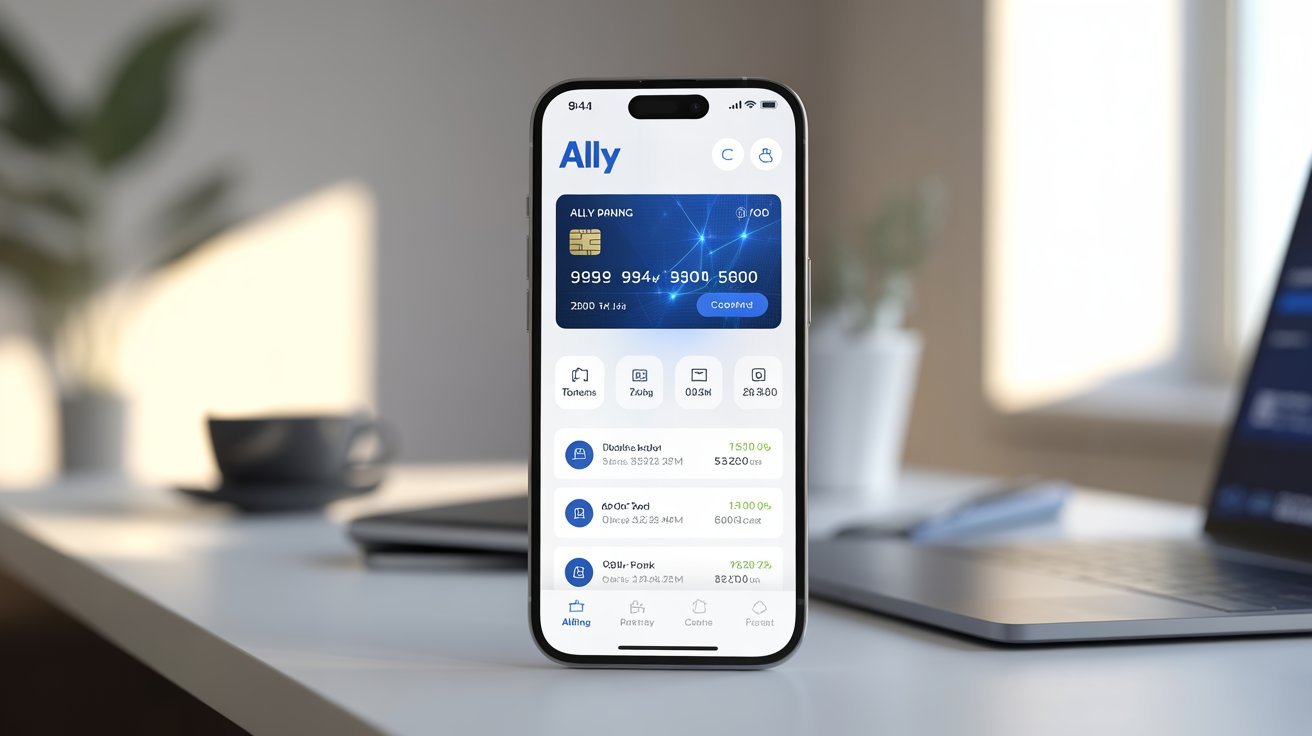

Digital banking has changed how people manage money, make payments, and protect financial information. Instead of relying only on physical cards, many consumers now use mobile wallets and virtual payment systems for everyday purchases.
This shift is one reason interest in the Ally Bank digital card continues growing in 2026. Users want faster payments, stronger security, and convenient banking tools that work entirely online.
Ally Bank has positioned itself as a digital-first financial institution, offering online checking, savings, and mobile banking services without physical branches. Its debit card system integrates with popular digital wallet platforms, allowing users to make secure contactless payments directly from their smartphones.
For many online banking users, this creates a more convenient experience than traditional banking systems.
However, questions still remain:
- Does Ally offer a true virtual card?
- How secure is the digital card system?
- Is it better than fintech competitors?
- What limitations should users know before opening an account?
In most real-world cases, people choose digital banking tools based on convenience and security rather than brand loyalty alone. Even small differences in features or usability can significantly affect the customer experience.
This guide will provide a complete breakdown of Ally Bank’s digital card features, setup process, strengths, weaknesses, and real-world usage scenarios.
By the end, you’ll understand whether Ally’s digital banking system fits your financial needs in 2026.
What Is the Ally Bank Digital Card?
The Ally Bank digital card refers to the debit card connected to eligible Ally accounts that can be used through:
- Apple Pay
- Google Pay
- Samsung Wallet
- Contactless mobile payment systems
Instead of swiping a physical card, users can pay directly using a smartphone or smartwatch.
How the Ally Digital Card Works
The system is relatively simple:
- Open an eligible Ally account
- Receive or activate the Ally debit card
- Add the card to a digital wallet
- Use tap-to-pay technology for purchases
In most real-world cases, setup only takes a few minutes once the physical debit card is activated.
Core Features of the Ally Digital Card
Features Overview Table
| Feature | Description | Benefit |
|---|---|---|
| Mobile wallet integration | Works with Apple Pay & Google Pay | Contactless payments |
| Debit Mastercard access | Linked to spending account | Everyday purchases |
| Card lock controls | Freeze/unfreeze card instantly | Better security |
| Fraud monitoring | Tracks suspicious activity | Protection against theft |
| Online banking integration | Managed through Ally app | Convenient account control |
Why Digital Cards Are Becoming Popular
Digital payments continue growing because users want:
- Faster checkout experiences
- Better fraud protection
- Reduced physical wallet usage
- Easier financial tracking
Between 2024 and 2026, mobile payment adoption increased significantly as more consumers shifted toward online-first banking systems.
Ally’s Position in Digital Banking
Unlike traditional banks, Ally Bank focuses heavily on digital convenience rather than branch access.
This allows Ally to:
- Reduce operational costs
- Improve online tools
- Offer streamlined mobile experiences
However, the tradeoff is the absence of in-person banking support.
Real-World Example
Imagine a user shopping at a grocery store:
- Opens Apple Pay
- Uses Ally digital card through smartphone
- Completes payment instantly without physical card
This process reduces friction while improving convenience and security.
Expert Insight
In most real-world cases, digital banking users prioritize speed and simplicity over traditional branch access.
A common mistake I’ve seen is users expecting online banks to operate exactly like traditional banks. Ally’s digital card system works best for people comfortable managing finances primarily through mobile apps and online platforms.
Latest Statistics & Trends (2024–2026)
Digital banking adoption has accelerated rapidly over the past few years, changing how consumers interact with banks and payment systems.
The rise of mobile wallets, contactless payments, and app-based banking has made digital cards increasingly important for both online and in-store purchases.
Ally Bank benefits directly from this trend because its entire banking model is designed around online convenience.
Digital Banking Statistics
| Year | Data | What It Means |
|---|---|---|
| 2024 | Mobile wallet usage exceeded 50% of smartphone users | Digital payments becoming mainstream |
| 2025 | Contactless transactions increased by 30%+ | Reduced reliance on physical cards |
| 2026 | Over 70% of younger consumers prefer online banks | Digital-first banking growth |
| 2026 | Fraud protection technologies expanded significantly | Better payment security |
These trends show that consumers increasingly prioritize:
- Convenience
- Speed
- Security
- Mobile accessibility
Why Mobile Wallets Are Growing So Fast
Mobile wallets like:
- Apple Pay
- Google Pay
- Samsung Wallet
have become popular because they simplify transactions while improving security.
Instead of exposing your actual debit card number during purchases, digital wallets use encrypted token systems that protect sensitive information.
Mobile Wallet Advantages
| Advantage | Financial Benefit |
|---|---|
| Faster checkout | Saves time |
| Tokenized security | Reduces fraud risk |
| No physical card required | Convenience |
| Device authentication | Added protection |
In most real-world cases, users who switch to mobile wallets report smoother payment experiences compared to traditional card usage.
Ally Bank’s Role in the Digital Banking Shift
Unlike traditional institutions that slowly adapted to digital banking, Ally Bank was built around online-first infrastructure from the beginning.
This gives Ally several advantages:
- Strong mobile integration
- Simplified account management
- Faster online access
- Reduced branch-related costs
However, it also means users must be comfortable handling most banking activities digitally.
Security Features of the Ally Digital Card
Security is one of the biggest concerns users have when researching digital cards.
Ally includes several protections inside its digital banking ecosystem.
Security Features Table
| Security Feature | Purpose | Benefit |
|---|---|---|
| Tokenized payments | Hides real card number | Better fraud protection |
| Card lock/unlock controls | Freeze card instantly | Prevent unauthorized use |
| Fraud alerts | Detect suspicious activity | Faster response |
| Encrypted mobile access | Protect app login | Improved privacy |
How Tokenization Works
Tokenization is a major reason digital payments are considered safer than traditional card swipes.
Instead of sending your actual card number:
- The system generates a temporary encrypted token
- Merchants receive the token instead of real card data
- Your financial information stays protected
This significantly reduces the risk of stolen payment information.
Consumer Behavior Changes
Modern consumers increasingly expect:
- Instant payment access
- App-based banking
- Real-time notifications
- Secure digital experiences
Banks unable to provide these features risk losing younger users to online-first competitors.
Real-World Usage Scenario
Imagine a user traveling without a physical wallet:
- Smartphone still enables purchases
- Ally digital card works through Apple Pay
- Transactions remain secure and trackable
This flexibility is one reason digital cards continue growing in popularity.
Potential Concerns Users Mention
While many reviews are positive, some users note:
- Delays receiving physical cards
- Limited virtual card functionality compared to fintech apps
- Dependence on mobile devices
In most real-world cases, these issues matter most for users expecting instant virtual card access before physical card arrival.
Expert Insight
Financial technology experts often emphasize that digital banking security now depends more on software protection than physical card security.
In most real-world cases, users who:
- Enable notifications
- Use strong passwords
- Lock cards when unused
- Monitor transactions regularly
experience significantly fewer fraud problems.
Why Users Choose the Ally Bank Digital Card
The growing popularity of the Ally Bank digital card is closely tied to changing consumer expectations. People increasingly want banking systems that are fast, flexible, and fully mobile-friendly.
Ally Bank appeals to users who prefer handling finances digitally rather than visiting physical branches.
In most real-world cases, customers choose Ally because of:
- Mobile convenience
- Strong online banking tools
- Easy digital payments
- Low-fee banking structure
Main Benefits of the Ally Digital Card
The Ally digital card system focuses on simplicity and digital efficiency.
Benefits Overview Table
| Benefit | Impact Level | Why Users Like It |
|---|---|---|
| Mobile wallet integration | High | Fast contactless payments |
| Online banking convenience | High | Full app-based management |
| Security controls | High | Better fraud protection |
| Real-time transaction tracking | Medium | Easier budgeting |
| Low-fee banking structure | Medium | Lower banking costs |
Convenience for Everyday Spending
One of the strongest advantages is payment convenience.
Users can:
- Pay without carrying a wallet
- Access cards through smartphones
- Monitor spending instantly
- Receive real-time alerts
In most real-world cases, this reduces friction during everyday purchases.
Security Advantages
Digital cards are often safer than traditional physical cards because they rely on:
- Tokenization
- Device authentication
- Encrypted payment systems
This reduces the chances of payment information being exposed during transactions.
Security Comparison
| Payment Method | Security Level | Risk |
|---|---|---|
| Physical card swipe | Moderate | Card skimming risk |
| Contactless physical card | Better | Reduced exposure |
| Ally digital card wallet payment | High | Tokenized protection |
Real Customer Experience Insights
Reviews about Ally’s digital card experience are generally positive among users who are comfortable with online banking.
Customers often praise:
- Easy app navigation
- Smooth mobile wallet integration
- Fast transaction notifications
- Convenient account access
However, some reviews also highlight limitations.
Common Drawbacks Mentioned in Reviews
A common criticism is that Ally’s digital card system is not as advanced as some fintech competitors.
Users occasionally mention:
- Waiting for physical debit cards
- Limited instant virtual card access
- Dependence on smartphone availability
- No branch-based support
Pros & Cons Table
| Pros | Cons |
|---|---|
| Strong mobile integration | No physical branches |
| Good security features | Limited instant virtual card tools |
| Easy online management | Must rely heavily on app access |
| Contactless payment support | Fewer fintech-style features |
Who Benefits Most from Ally’s Digital Card?
The Ally digital card works best for:
- Online banking users
- Mobile-first consumers
- People comfortable with technology
- Users focused on convenience and security
It may be less ideal for:
- People needing branch access
- Users wanting advanced fintech virtual cards
- Customers uncomfortable with digital banking systems
Real-World Example
Imagine two banking users:
Scenario Comparison
| User Type | Experience with Ally Digital Card |
|---|---|
| Tech-savvy online user | Smooth and convenient |
| Traditional branch-dependent user | Less comfortable |
This shows how personal banking preferences strongly affect satisfaction levels.
Why User Expectations Matter
A common mistake I’ve seen is comparing Ally directly to:
- Traditional banks
- Fintech-only apps
In reality, Ally sits somewhere between both categories. It combines traditional banking reliability with digital-first convenience, but without the aggressive instant-access features offered by some fintech platforms.
In most real-world cases, users who already prefer digital banking tend to rate Ally’s card system positively because it integrates smoothly into modern mobile payment habits.
The key is understanding what Ally is designed to do:
- Provide stable digital banking
- Simplify payments
- Improve online account management
rather than replace every feature offered by newer fintech apps.
Step-by-Step Strategy to Set Up the Ally Bank Digital Card
Setting up the Ally Bank digital card is relatively simple, but many users skip important security and optimization steps that improve the overall experience.
Ally Bank designed its digital banking system around mobile access, allowing users to manage accounts and payments almost entirely through smartphones.
In most real-world cases, the setup process takes less than 15 minutes once your account and physical debit card are active.
Step 1 – Open an Eligible Ally Account
Before using the digital card, users need an eligible account such as:
- Ally Spending Account
- Ally Money Market Account
These accounts include debit card access compatible with mobile wallets.
Account Setup Overview
| Requirement | Why It Matters |
|---|---|
| Identity verification | Security compliance |
| Mobile phone number | Authentication |
| Email access | Account alerts |
| Initial funding | Account activation |
Proper setup helps avoid delays later.
Step 2 – Activate the Physical Debit Card
Even though users may want immediate digital access, Ally typically requires physical debit card activation before mobile wallet setup.
This is one area where Ally differs from some fintech competitors that provide instant virtual card access.
Why Activation Matters
| Action | Purpose |
|---|---|
| Card activation | Verifies account ownership |
| PIN setup | Enables secure transactions |
| App connection | Syncs digital controls |
In most real-world cases, activation is completed through the Ally mobile app or customer support system.
Step 3 – Add the Card to a Mobile Wallet
Once activated, users can connect the card to:
- Apple Pay
- Google Pay
- Samsung Wallet
Mobile Wallet Setup Process
| Step | Action |
|---|---|
| 1 | Open wallet app |
| 2 | Select “Add Card” |
| 3 | Enter Ally card details |
| 4 | Complete verification |
| 5 | Begin using contactless payments |
Most wallet systems verify the card through:
- SMS authentication
- App confirmation
- Security codes
Step 4 – Configure Security Settings
This is where many users stop—but experienced digital banking users go further.
Important security settings include:
- Transaction alerts
- Card lock/unlock controls
- Biometric login
- Two-factor authentication
These features significantly reduce fraud risk.
Recommended Security Setup
| Security Tool | Benefit |
|---|---|
| Face ID/Fingerprint login | Prevent unauthorized access |
| Instant transaction alerts | Detect suspicious activity |
| Card lock controls | Freeze compromised cards quickly |
| Strong passwords | Improve account protection |
In most real-world cases, proactive security habits prevent the majority of digital banking fraud problems.
Step 5 – Optimize Daily Usage
Once setup is complete, users can improve convenience by:
- Setting spending notifications
- Monitoring account balances regularly
- Linking budgeting apps
- Organizing payment methods strategically
This turns the digital card into a broader financial management tool rather than just a payment method.
Hidden Optimization Strategies
Many users underestimate how much digital banking efficiency depends on organization.
One smart strategy is using:
- Ally for savings and digital payments
- Separate accounts for budgeting categories
Another overlooked tactic is keeping transaction notifications enabled at all times for faster fraud detection.
A third strategy is pairing the Ally app with financial tracking apps for better budgeting visibility.
Common Setup Mistakes
A common mistake I’ve seen is users rushing through security setup because they prioritize convenience.
This can lead to:
- Weak passwords
- Missed fraud alerts
- Delayed suspicious activity detection
Another mistake is assuming digital wallets automatically protect against every risk without additional account monitoring.
Real-World Usage Scenario
Imagine a user traveling internationally:
- Smartphone becomes primary payment method
- Ally digital card works through mobile wallet
- Real-time alerts track transactions instantly
This creates flexibility while improving security compared to carrying multiple physical cards.
Expert Insight
Financial technology experts often emphasize that digital banking security depends heavily on user behavior—not just bank infrastructure.
In most real-world cases, users who:
- Enable notifications
- Monitor transactions frequently
- Use biometric authentication
- Lock cards when suspicious activity appears
experience significantly safer digital banking experiences.
Real Customer Case Study (Using the Ally Bank Digital Card Daily)
To understand how the Ally Bank digital card performs in real-world situations, let’s compare two users with different banking habits.
Both individuals prefer online banking and use mobile wallets regularly, but their financial systems differ.
Case Study Comparison
| Category | User A (Traditional Bank) | User B (Ally Digital Card) | Result |
|---|---|---|---|
| Payment method | Physical debit card | Mobile wallet + Ally card | Faster payments |
| Fraud alerts | Limited notifications | Real-time alerts | Better monitoring |
| Budget tracking | Manual | App-integrated | Easier management |
| Security controls | Basic | Card lock/unlock features | Improved protection |
| Banking access | Branch-dependent | Fully digital | Greater flexibility |
What Happened?
User A relied mainly on traditional banking methods and physical card usage. While functional, the process involved slower account monitoring and fewer real-time tools.
User B used Ally Bank with mobile wallet integration and digital controls enabled. This allowed:
- Faster contactless payments
- Immediate fraud notifications
- Easier spending visibility
- More efficient mobile banking access
In most real-world cases, users who actively use digital banking tools experience smoother financial management.
Ally Bank vs Other Digital Banking Competitors
To evaluate Ally properly, it helps to compare it with other online-focused financial platforms.
Competitor Comparison Table
| Bank/Platform | Main Strength | Limitation |
|---|---|---|
| Ally Bank | Reliable digital banking + savings | Limited instant virtual card features |
| Chime | Fast fintech tools | Less traditional banking structure |
| Capital One | Strong mobile app + branches | Lower savings rates |
| SoFi | Aggressive digital features | More complex ecosystem |
Where Ally Performs Best
Ally’s strongest advantages include:
- Stable online banking infrastructure
- Strong savings integration
- Simple user experience
- Reliable mobile wallet compatibility
Unlike some fintech platforms, Ally balances digital convenience with traditional banking reliability.
Where Competitors May Have an Advantage
Some competitors offer:
- Instant virtual debit cards
- Earlier card access
- More aggressive fintech-style features
- Faster onboarding experiences
A common criticism is that Ally sometimes feels more conservative compared to newer fintech apps.
Best Use Cases for the Ally Digital Card
The Ally digital card works particularly well for:
- Online shoppers
- Mobile wallet users
- Travelers
- Budget-conscious digital banking users
- People who prefer app-based account management
Best Use-Case Table
| User Type | Why Ally Works Well |
|---|---|
| Frequent mobile payment user | Strong wallet integration |
| Online banking customer | Fully digital experience |
| Saver using Ally accounts | Unified ecosystem |
| Minimalist wallet user | Contactless convenience |
Practical Tools & Resources
Using the right tools alongside Ally improves financial organization and security.
Helpful Tools
| Tool | Purpose | Benefit |
|---|---|---|
| Budget tracking apps | Spending analysis | Better money management |
| Mobile wallet apps | Digital payments | Faster checkout |
| Password managers | Security improvement | Safer account access |
| Fraud monitoring alerts | Suspicious activity detection | Faster response |
Why Real User Habits Matter
The success of any digital banking tool depends heavily on how users interact with it.
In most real-world cases, users who:
- Monitor accounts regularly
- Enable notifications
- Maintain security settings
- Organize spending digitally
report significantly better experiences with digital banking systems.
A common mistake I’ve seen is evaluating digital cards based only on flashy features rather than reliability and long-term usability.
Ally Bank focuses more on stable digital banking performance than experimental fintech-style features. For many users, that consistency is actually an advantage.
FAQ — Ally Bank Digital Card
1. Does Ally Bank offer a virtual debit card?
Ally Bank primarily offers a debit card that integrates with digital wallets like Apple Pay and Google Pay. However, Ally is not widely known for providing instant standalone virtual card numbers like some fintech platforms.
2. Can I use the Ally digital card before receiving the physical card?
In most cases, users need to activate the physical debit card before full digital wallet functionality becomes available. This differs from some fintech apps that provide immediate virtual card access.
3. Is the Ally digital card safe?
Yes. Ally uses several security protections including:
- Encrypted mobile access
- Fraud monitoring
- Card lock/unlock controls
- Tokenized wallet payments
These features significantly improve payment security.
4. Which mobile wallets work with Ally Bank?
The Ally digital card is compatible with:
- Apple Pay
- Google Pay
- Samsung Wallet
Compatibility may vary depending on device type and region.
5. Does Ally charge fees for digital card usage?
Ally generally does not charge extra fees for using digital wallets or contactless payments. However, standard account terms and network fees may still apply in certain situations.
6. Who should use the Ally Bank digital card?
The Ally digital card works best for:
- Online banking users
- Mobile payment users
- Travelers
- People comfortable with app-based banking
- Customers who prefer digital financial management
Related Topics
You may also like:
Conclusion — Is the Ally Bank Digital Card Worth Using?
The Ally Bank digital card reflects the broader shift toward mobile-first banking and contactless financial management. As digital payments continue growing, more users want banking systems that combine convenience, security, and flexible online access.
Ally Bank succeeds in several important areas:
- Smooth mobile wallet integration
- Reliable digital banking infrastructure
- Strong security controls
- Easy account management through its app
For users already comfortable with online banking, the experience is often simple and efficient.
One of Ally’s biggest strengths is balancing traditional banking stability with modern digital convenience. Unlike some newer fintech platforms that focus heavily on rapid feature experimentation, Ally emphasizes long-term usability and consistent performance.
However, the platform is not perfect for every user.
People expecting:
- Instant virtual debit card numbers
- Branch banking access
- Advanced fintech payment tools
may find other platforms more appealing.
In most real-world cases, satisfaction depends heavily on expectations. Users seeking reliable digital banking and mobile wallet convenience generally rate Ally positively. Users wanting highly aggressive fintech-style innovation may view it as more limited.
Another important takeaway is that digital banking security increasingly depends on user habits. Even the best systems require:
- Strong passwords
- Transaction monitoring
- Notification management
- Responsible mobile device security
A common mistake I’ve seen is people focusing only on convenience while ignoring account monitoring and fraud prevention settings.
Ultimately, the Ally Bank digital card is best viewed as part of a complete online banking ecosystem rather than just a payment tool. It works especially well for users who:
- Prefer mobile-first banking
- Use contactless payments frequently
- Want integrated savings and spending tools
- Value simplicity and reliability
As digital banking adoption continues increasing in 2026, Ally remains a strong option for users seeking secure and practical online financial management.